
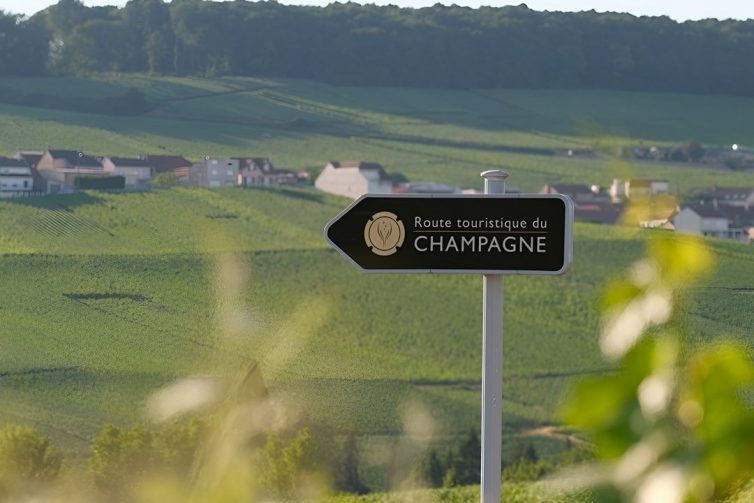
There are many sophisticated places in the world. And then there is Épernay, which simply pops the cork and sprays it directly into your face (metaphorically speaking, of course). I arrived in the heart of the Champagne region with the elegance of a woman who had absolutely no intention of becoming tipsy at noon and the optimism of someone who underestimated the power of French bubbles. The first thing you notice in Épernay is that everything looks impossibly French. The streets are elegant, the buildings carry the aura of old money and even the air smells like grapes and generational wealth. It’s the kind of town where you suddenly start walking slower, pretending you know things about wine.
“Oh yes,” I heard myself say confidently in my mind at one tasting, swirling my glass like a divorced duchess. “I detect notes of pear, citrus and emotional healing.”
And then, there is the legendary Avenue de Champagne, the glamorous street, beneath which lie millions of bottles of champagne resting in underground cellars, quietly aging better than all of us. Walking there feels like strolling through a Pinterest board curated by Marie Antoinette herself, after therapy.
Naturally, I visited several famous Champagne houses because refusing champagne in Épernay would be like going to Italy and saying, “No thanks, I’m avoiding pasta this week.” Technically possible, morally suspicious.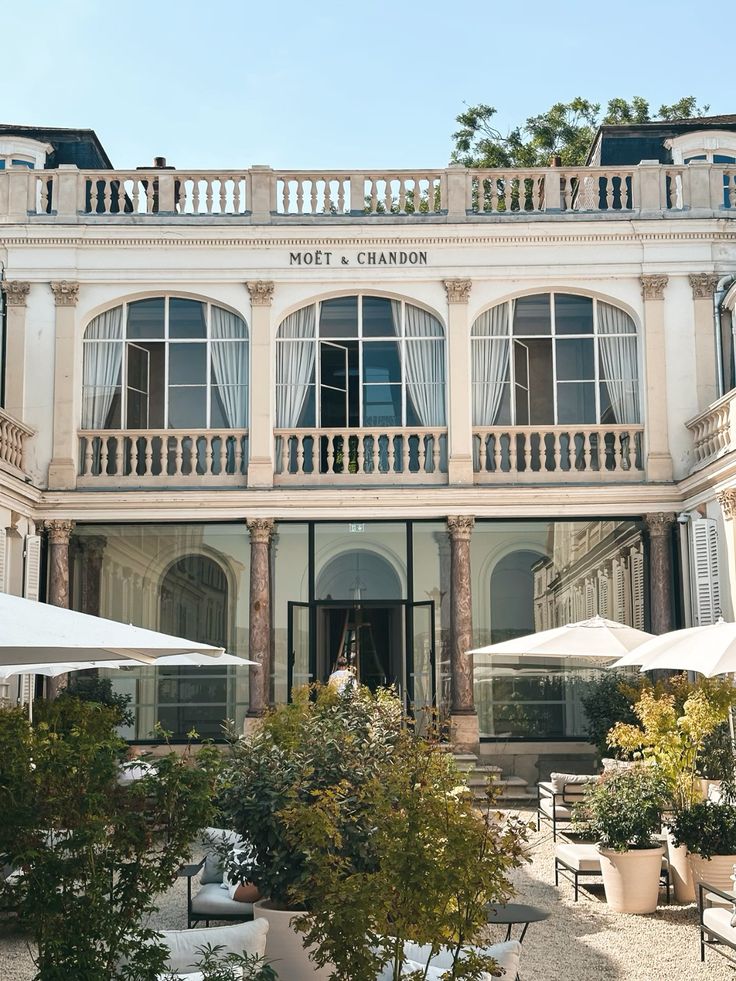 At one point during the cellar tour, our guide explained the intricate process of turning grapes into champagne: harvesting, pressing, fermenting, aging, riddling… Meanwhile, my personal fermentation process mostly involves stress, perimenopause and too much coffee.
Still, there is something magical about those underground caves. Cool, dimly lit tunnels stretching endlessly beneath the city, lined with bottles patiently waiting for their glorious moment. And then there is the story of champagne itself, which honestly feels less like a drink and more like a centuries-old glamorous conspiracy organized by emotionally resilient French people and wealthy Europeans with questionable hydration habits.
Take Moët & Chandon for example. The iconic house sitting proudly on the Avenue de Champagne, casually storing millions of bottles underground like they are hiding liquid confidence for humanity’s emergencies. Now, here comes the part that made my Dutch-resident heart strangely emotional: the founder, Claude Moët, had Dutch roots. Which suddenly explained a lot to me. Because if there is one thing Dutch people understand deeply, besides bicycles in dangerous weather, it is trade. The Dutch were among the great merchants of Europe, shipping luxury goods, spices, art and apparently helping champagne become the global symbol of celebration.
So there I was, standing in Épernay, living in the Netherlands, drinking Moët, feeling culturally connected in the most sophisticated way possible, basically, international diplomacy through alcohol.
And then came the story that truly fascinated me: Barbe-Nicole Clicquot, the legendary Widow Clicquot. Honestly, if Netflix does not make a series about this woman immediately, humanity is failing. Imagine this: early 1800s, your husband dies young, society expects you to quietly disappear into widowhood and embroidery, but instead you say, “No, thank you. I shall build a champagne empire while raising my daughter.”
Iconic behavior.
This woman revolutionized champagne production, invented techniques still used today and somehow managed to export champagne to Russian aristocracy during wartime and political chaos. While Europe was collectively collapsing into drama, Madame Clicquot was out there building a luxury brand. A queen. Literally.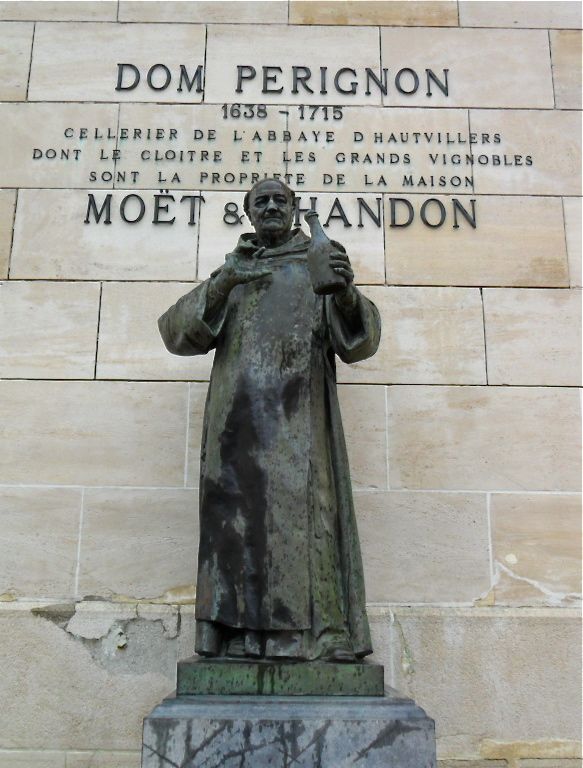 Perhaps this is where my own completely logical theory began. Because after several tastings in Épernay, something deeply suspicious happened: I did not get tipsy.
Now, under normal circumstances, after two glasses of wine, I become emotionally available, overly philosophical and capable of texting people I should absolutely not text. But in Champagne? Nothing. I was perfectly functional after tasting glass after glass after glass. At first, I thought maybe the French bubbles were simply lighter. More elegant or spiritually aerodynamic. But then, standing somewhere between the cellars and my fifth tasting, it hit me.
I think I may have been a Russian aristocrat in a previous life. It is the only explanation. Somewhere deep in my soul, hidden beneath modern responsibilities and protein intake goals, lives a woman wrapped in fur and velvet, dramatically staring through palace windows while casually drinking champagne at breakfast because water was apparently for peasants and emotional stability. Suddenly, everything made sense.
My natural talent for romanticizing life.
My emotional attachment to beautiful glasses.
My ability to discuss existential crises while wearing high heels.
My suspicious resistance to champagne intoxication.
This was not tourism. This was ancestral memory, I’m telling you. Honestly, my soul probably arrived in Épernay and thought: “Finally. We are back, this is your water.”
There is definitely something wonderfully absurd about the entire Champagne region. It makes you feel glamorous and ridiculous at the same time. One moment you are learning about delicate fermentation processes and the influence of chalky soil on grape acidity, the next moment you are slightly buzzed, buying overpriced French cheese and convincing yourself you could absolutely adapt to aristocratic French life if given the opportunity.
Perhaps that is the magic of Épernay. It doesn’t just sell champagne. It sells fantasy. For a few sparkling hours, you are no longer worried about emails, deadlines, grief, laundry or the terrifying price of groceries in the Netherlands. You are simply a magnificent human being holding a crystal glass under the French sun, pretending your life is a period drama.
And of course, because I am me, I could not simply enjoy the experience like a normal tourist. No. I had to over-romanticize the entire thing.
At some point, standing in the vineyards under the soft French sun, sipping champagne while looking dramatically into the distance, I started reflecting on life. Because apparently, champagne is not just alcohol. It is sparkling introspection. I thought about love, about grief, about new beginnings, about how strange and beautiful it is that life can break you apart and still somehow offer you a glass of something cold and golden afterward. Also, I thought about cheese. Because French cheese deserves its own religion.
The thing is, during every Champagne tasting, after the third glass, every single life decision suddenly feels brilliant.
Move to France? Excellent idea.
Start a vineyard? Obviously.
Marry a mysterious French winemaker? Why not.
By late afternoon, I had reached that dangerous level of confidence where I was convinced I could distinguish between Brut, Blanc de Blancs and Rosé purely through spiritual intuition. I could not. But honestly, that is the beauty of Épernay. It doesn’t truly demand expertise. It invites joy. Maybe that is why I loved it so much. Because beneath all the luxury and elegance, Champagne is really about celebration, about marking moments, about opening bottles not because life is perfect, but because life is happening.
So if you ever visit Épernay, come hungry, come curious and absolutely come prepared to pretend you understand wine terminology.
Swirl the glass, nod thoughtfully, say things like “excellent structure” and “I sense notes of brioche.” Nobody knows what it means anyway.
And if you suddenly find yourself sitting in a tiny French café, slightly tipsy, laughing at nothing while sunlight dances across your champagne glass…
Congratulations, you are doing Épernay correctly!